May 19, 2026
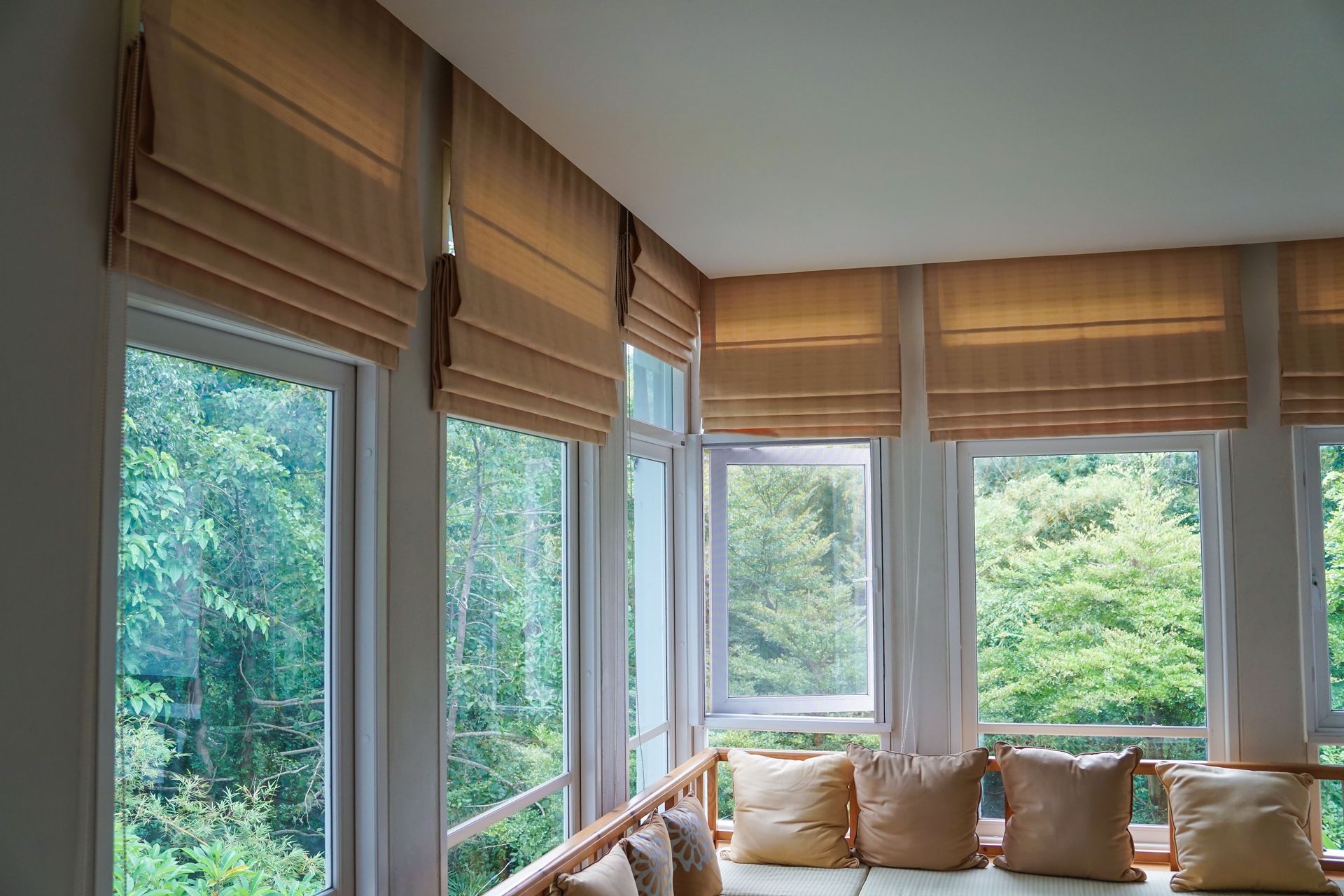
Many homeowners begin comparing window treatments by thinking about how different materials and textures will influence the atmosphere of each room in the house. Roman shades often create a softer appearance because their fabric folds add depth and visual warmth to bedrooms, dining rooms, and gathering spaces. Traditional blinds usually deliver a more structured presentation that works especially well in offices, kitchens, and minimalist interiors focused on practicality. Fabric coverings can also introduce patterns, textures, and colors that coordinate more naturally with furniture, rugs, and decorative accents throughout the home.
Blinds are commonly selected for spaces where homeowners prefer sharp lines, streamlined surfaces, and a more contemporary or functional design approach. The visual effect of each option becomes even more important in open floor plans where multiple living areas remain visible from a single viewpoint. Taking time to evaluate existing décor can help homeowners choose treatments that feel cohesive rather than disconnected from the rest of the interior environment.
Evaluating Everyday Light Management
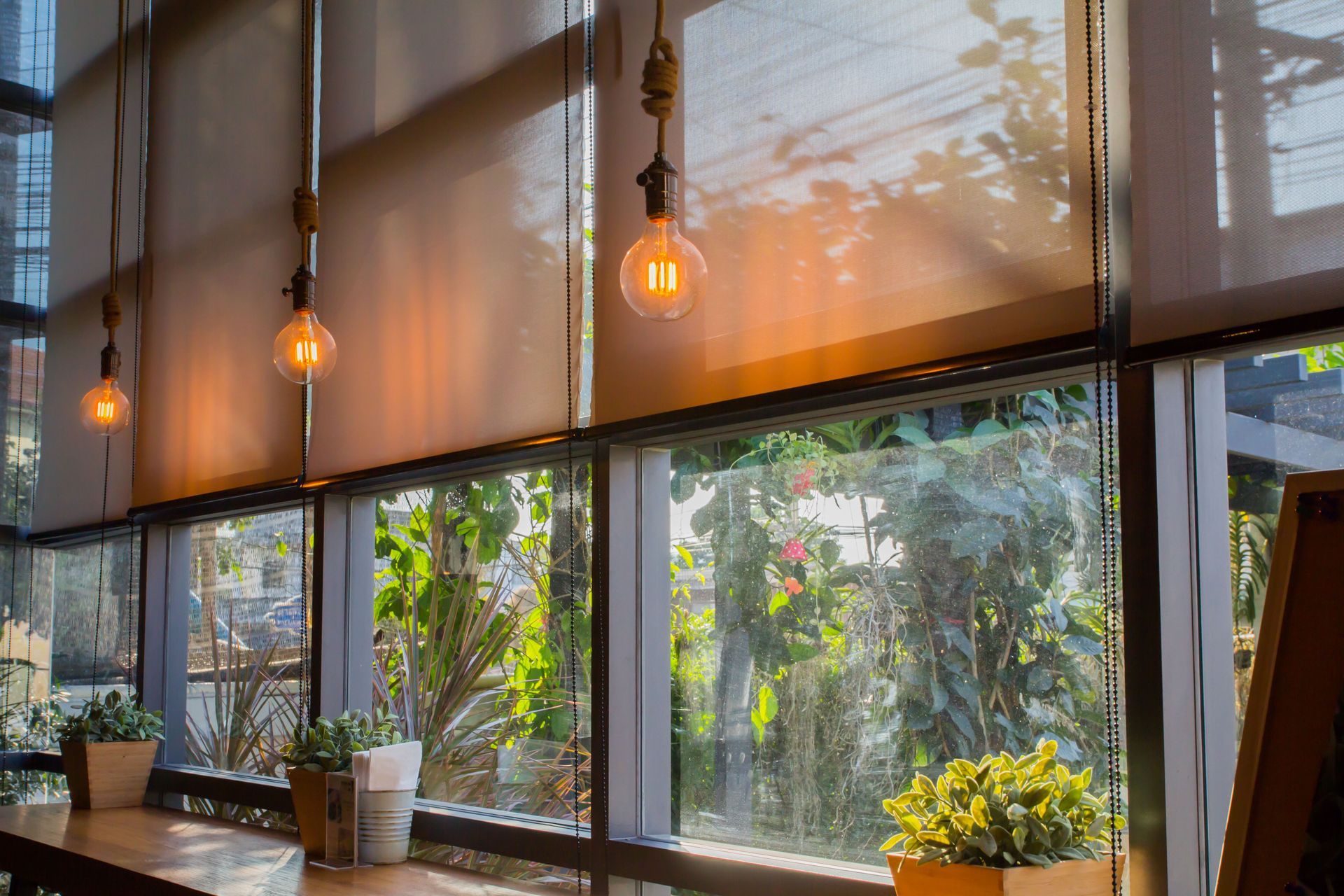
Light control is another important factor because different rooms require different levels of brightness throughout the day and evening hours. Many homeowners choose Roman shades when they want natural sunlight to feel softer and more diffused without completely darkening the room during daytime activities. Traditional blinds allow users to tilt individual slats at varying angles, creating more precise control over glare, visibility, and direct sunlight entering the space. Living rooms and reading areas often benefit from filtered lighting that reduces eye strain while still maintaining a comfortable and welcoming atmosphere indoors.
Bedrooms and media spaces may require stronger light-blocking features to support better sleep, movie viewing, or reduced screen glare during afternoon hours. Homeowners with large windows frequently consider how shifting sunlight patterns affect furniture, flooring, and indoor comfort throughout changing seasons. Understanding how each treatment manages brightness can help families create rooms that remain functional and visually balanced from morning until late evening.
Considering Long-Term Cleaning Needs
Maintenance expectations can strongly influence whether homeowners remain satisfied with their window coverings several years after installation takes place. Roman shades may require occasional vacuuming or professional cleaning because fabric surfaces can collect dust, pet hair, cooking residue, and airborne particles over time. Traditional blinds are generally easier to wipe clean quickly, although dust accumulation between narrow slats may still become frustrating during regular household maintenance routines.
Families with pets or small children often prioritize materials that resist stains, moisture, and visible wear caused by frequent handling or accidental spills. Humid spaces like bathrooms and kitchens sometimes benefit from vinyl or faux wood blinds because those materials tolerate moisture more effectively than many fabric options. Some homeowners prefer low-maintenance treatments because demanding work schedules leave little time for detailed weekly cleaning responsibilities around the home. Evaluating lifestyle habits carefully before selecting a treatment can help prevent frustration and ensure the chosen design remains attractive with manageable upkeep requirements.
Balancing Energy Efficiency Goals
Energy performance has become increasingly important as homeowners search for practical ways to improve indoor comfort while reducing monthly utility expenses. According to Straits Research, energy-saving window treatments may decrease household energy costs by approximately 10% to 20% when used consistently throughout the year. Roman shades can contribute to insulation because thicker fabric layers help reduce heat transfer during hot summers and cooler winter conditions.
Traditional blinds also support temperature control by limiting direct sunlight exposure before rooms become excessively warm during the brightest parts of the afternoon. Properly selected coverings may reduce strain on heating and cooling systems, which can contribute to longer equipment life and improved overall efficiency. Homeowners often notice that comfortable indoor temperatures become easier to maintain when windows receive additional insulation from thoughtfully selected treatments. Considering both energy savings and comfort benefits can help families make choices that support long-term financial and environmental goals without sacrificing visual appeal.
Assessing Privacy Throughout the Home
Privacy needs vary greatly depending on room location, neighborhood layout, and how frequently certain spaces are used during different times of day. Many homeowners install roman shades in bedrooms and street-facing living areas because fabric coverings can provide a stronger sense of enclosure and comfort indoors. Traditional blinds allow adjustable visibility by changing the angle of slats, which helps residents maintain partial outdoor views while still limiting direct visibility from outside.
Houses located close together may require additional privacy solutions to reduce exposure from neighboring windows, sidewalks, or busy residential streets nearby. Families often prioritize privacy in bathrooms, nurseries, and home offices where distractions or visibility concerns can interfere with daily routines and relaxation. Layering window treatments with curtains or blackout liners may further improve privacy while also enhancing decorative appeal throughout different parts of the home. Evaluating how each room functions during daytime and nighttime hours can help homeowners select coverings that provide the right balance between openness and personal comfort.
Matching Different Room Functions
Every room inside a home serves a unique purpose, which means window treatments should support both appearance and functionality without creating unnecessary inconvenience later. Roman shades are frequently selected for formal dining rooms, cozy sitting areas, and bedrooms because their fabric appearance contributes warmth and decorative softness to those environments. Traditional blinds remain popular in laundry rooms, garages, and kitchens where durable materials and quick maintenance tend to matter more than decorative detail. Home offices often benefit from adjustable lighting control that minimizes glare on computer screens while still allowing comfortable daylight exposure throughout working hours.
Children’s rooms may require cordless designs and durable materials that improve safety while also withstanding regular movement and everyday household activity. Large windows and sliding doors sometimes require customized solutions that balance ease of operation with visual consistency across the entire room design. Thinking carefully about how each space functions can help homeowners choose treatments that continue supporting convenience, comfort, and style over many years of regular use.
Exploring Modern Customization Features
Modern window treatments now include a wide range of customization features designed to improve convenience, appearance, and overall household functionality every single day. Many homeowners appreciate how roman shades can be customized with different fabrics, patterns, textures, and linings that coordinate closely with specific interior design preferences. Traditional blinds also offer extensive customization through material choices such as wood, faux wood, aluminum, and composite finishes suited for different environments.
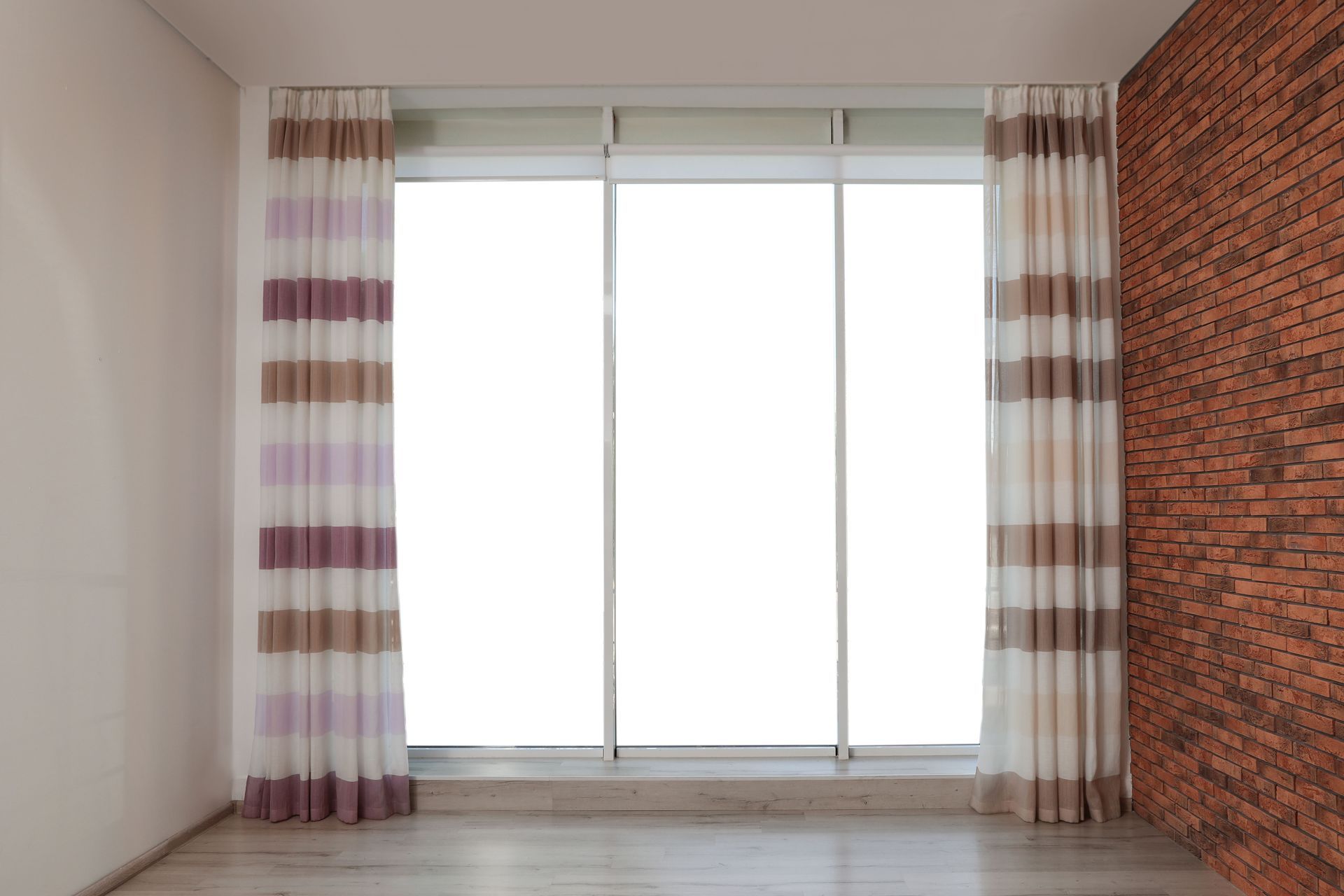
Motorized operating systems are becoming increasingly popular because they simplify daily adjustments while improving accessibility for large windows or difficult-to-reach areas. Cordless designs continue gaining attention among families seeking safer solutions for homes with children or pets moving frequently throughout shared living spaces. Layered window treatments combining decorative fabrics with functional shades or blinds can create additional flexibility regarding privacy, insulation, and changing lighting conditions. Exploring available customization options carefully allows homeowners to invest in treatments that reflect both personal style and practical long-term household priorities.
Comparing options carefully allows homeowners to understand which features genuinely improve daily comfort instead of simply following temporary design trends without practical benefits. Professional guidance can also simplify the process by helping families evaluate room layouts, lighting conditions, and lifestyle needs before making long-term investments for the home. FRAME Creations helps homeowners discover customized window treatment solutions that combine beauty, functionality, and comfort while supporting the unique needs of every room. Contact us today.